Ay-Up! - Return Home
You are here:   Home > Technical > Charging 

Charging


Ay Up Lithium Polymer Batteries have been designed specifically for use with Ay Up lights. They have inbuilt circuitry to control, charging of the cells, short circuit, over loading and low voltage cut off. When a short circuit occurs (usually when a wire is broken or the battery becomes damaged) the output power from the battery is cut internally. To check for problems simply plug the battery back into the charger to test and if OK it will reset the internal circuitry. If your light suddenly goes out there is a good chance of a short and you must inspect the battery. Discard any damaged battery properly but notify us of any problems.
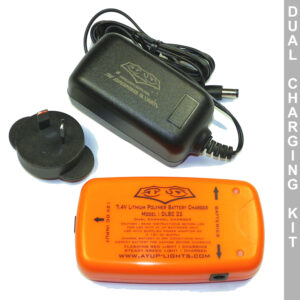
Ay Up’s classy chargers, LBC, DLBC & 6DBLC have been solely designed to charge Ay Up Batteries.


DO NOT charge these batteries with any other type of charger!

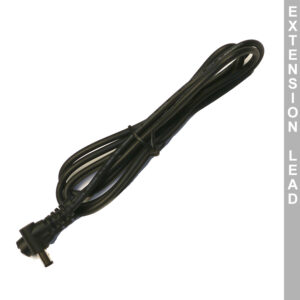
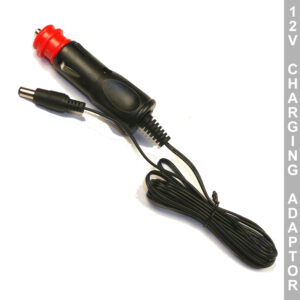
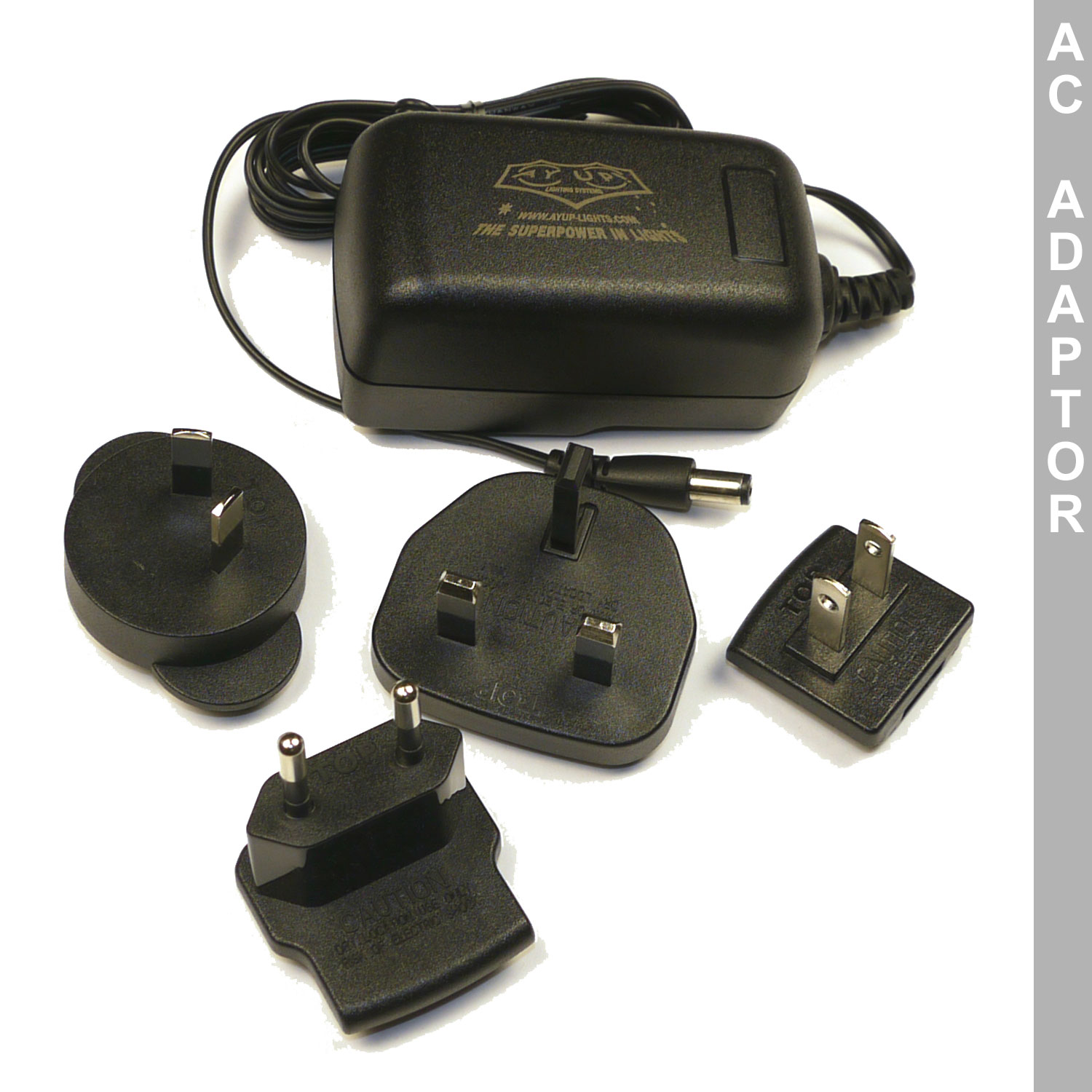
To charge your Ay Up Batteries you will need a 12V DC supply or 110 - 240V AC wall power outlet. In your kit you will have a 12V DC cigarette lighter adaptor, a 110 – 240V AC adaptor and either a single, dual or six channel Lithium Polymer Charger.

NOTE: The sockets on the chargers are identical. Internal circuitry on all three chargers and the batteries prevents any damage to the charger and or the battery should the input power be plugged into the wrong socket.

To charge using the 08 - 10 range of chargers - plug the battery into the opposite end of the charger, labelled BATTERY. The indicator light will flash RED – this means the battery is being charged. When this light shows steady GREEN – this means the battery is fully charged. No harm will come to the battery if it is left on charge whilst showing green. The battery will not charge any further and should be disconnected.

To charge using the 07 range of chargers - plug the battery into the opposite end of the charger, labelled BATTERY. The indicator light will show RED – this means the battery is being charged. When this light shows GREEN – this means the battery is fully charged. No harm will come to the battery if it is left on charge whilst showing green. The battery will not charge any further and should be disconnected.

If your charger blinks Green it has detected a fault with the battery plugged into that charge port.

Report all faults to us by using our Warranty Eform here
 

NOTE: When the batteries are not being used, tuck the power plug into the battery pouch or place in a box to prevent short circuit with other batteries. Also take note that when flying with your light sets you must prevent any metal object from touching the power plug of the battery. A good idea is to wrap the plug in insulation tape also with on / off batteries.

Before storing your batteries for any length of time always fully charge first.

To charge the battery connect either the AC or DC adaptor into the charger socket close to the indicator light and depressed semi circle. (The recess is there so you can identify the input side of the charger under low light or poor vision) This is labelled 12V DC INPUT.

Both sized batteries can be charged using the same charger using the supplied 12V adaptor or the
AC adaptor. You must not use an input voltage over 12V DC. Doing so could damage the charger.

The 12V DC adaptor is equipped with an inline fuse and if you find the charger is not working then you should check that the fuse is OK. Simply unscrew the nipple taking care not to loose the plunger pin. Check the fuse and replace if necessary.


Before charging we recommend that you check the battery packs for damage. These packs are ultra sonically sealed and are waterproof to 0.5 meter of water depth. Any cracks, chaffed wire or damage to the packs could result in a short circuit and loss of light. Ay Up Batteries have been designed to withstand a repeated 5 meter drop onto a concrete floor so are well suited for extreme MTB environments. Always replace a battery if it is damaged in any way.

NOTE: It is normal for the charger and 240V AC adaptor to warm slightly whilst charging. If it becomes excessively hot to touch, disconnect the power immediately and notify us by email for advice. The battery should never become warm whilst discharging or charging. Again disconnect and notify us by email if you experience this.

Ay Up batteries have a minimum 500 recharges. Our batteries do not have a memory and discharging a battery with the intention of recharging to gain more power does not work. Older batteries such as Nickel Metal Hydride or NiCad batteries needed to be drained before charging but not ours. You can charge Ay Up batteries at any state and they will hold their charge for many months

Caution -

Keep the batteries in a dry place when not in use. Never leave a charging battery unattended and always charge on a concrete, stone or non flammable surface. If charging in your home, workshop or office always fit a smoke alarm and check the functionality of the alarm regularly. If charging from your car, caravan or boat, never leave a charging battery unattended.

Do not leave batteries, charged or discharged in a hot car. A good idea is to store batteries in a cool box or esky.
 

For PDF's on charging and caring for your batteries see the How To's here

NOTE : All our components are ROHS compliant and fully tested and certified by the relevant depts in Australia, UK, NZ, EU & USA


 Select Your Country:


First Name Last Name  
E-mail Postcode  


Choose your sport below and be directed to the right kit for you

Mountain biking lights
Road cycling lights
General cycling lights
Snow Skiing lights
Snowboarding lights
Sled Dog Racing
Walkers lights
Hikers lights
Climbers lights
Trekking Lights
Camping lights
Explorer lights
Rollerblading lights
Running / jogging lights
Kayaking lights
Fishing lights
Boat lights
Diving lights
Crabbing or crayfishing lights
Caving lights
Black water canyoning lights
Life raft lights
Emergency lighting
Emergency Rescue lights
Military lights
Mining lights
Police lights
Security / Customs lights
SWAT Team lights
Government law enforcement lights

AYUP Lights by Results Web Design Brisbane